Blog
Build a Natural Wellness Pantry for Everyday Meals

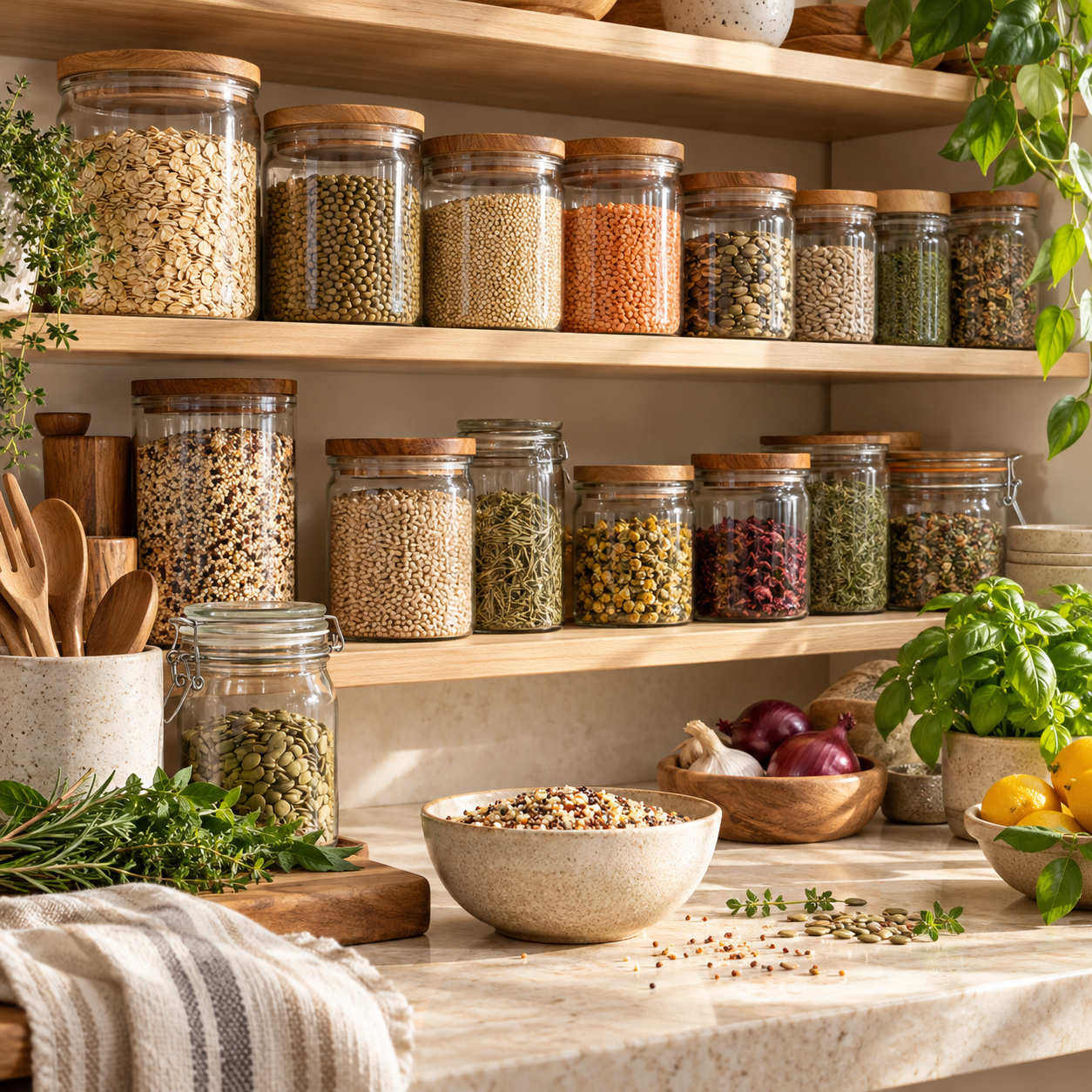
A natural wellness pantry should make ordinary meals easier. It does not need a shelf full of powders, a complicated morning schedule or ingredients you only use once. A few well-chosen foods, stored properly and paired with everyday staples, are a more practical starting point.
For a Pakistani household, that might mean dal, atta or oats, familiar spices, a seed topping and a small jar of honey. The aim is enjoyable, varied meals, not a collection of products promising to solve every health concern.
Start with meals before making a shopping list
Think about what your household already eats for breakfast, lunch and snacks. If breakfast is usually dahi and fruit, seeds may be a useful addition. If you rarely make smoothies, buying ingredients specifically for them may create waste rather than a helpful habit.
Write down three meals you can realistically prepare in a normal week. Then identify one small addition that would make each more convenient or appealing. Build from the food already in your kitchen before adding a new jar or pouch.
The World Health Organization’s healthy-diet guidance places varied foods, including vegetables, fruit, pulses and whole grains, at the centre of healthy eating. A premium ingredient is an optional part of that pattern, not its foundation.
A practical pantry has four jobs
1. Supply the base of a meal
Keep staples your family enjoys: lentils, chickpeas, rice, wholegrain options or oats. These are general shopping suggestions, not claims that Golden Herbs sells every staple. Buy according to your cooking habits and storage space.
2. Make food satisfying
Plan the rest of the meal, including a suitable protein source and vegetables or fruit. Dahi, eggs, beans or other preferred foods can help turn a topping into a meal. A spoonful of seeds on its own is not a complete breakfast.
3. Add flavour and texture
This is where honey, edible seeds and culinary spices can be useful. Choose them for a specific purpose: sweetness, crunch, aroma or thickening. One ingredient that serves several meals is often better value than several single-purpose purchases.
4. Stay easy to manage
Leave room to see what you own. An overfilled shelf makes it easier to forget open packs, buy duplicates and miss damaged packaging. A simple system should work even on a busy weekday.
Choosing Golden Herbs products for food use
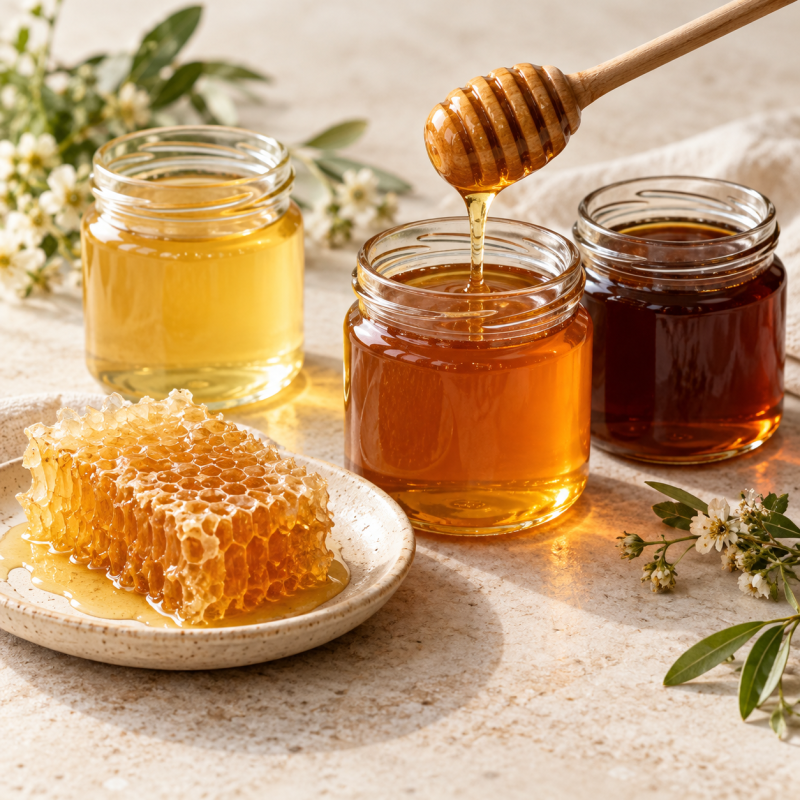
Honey for measured sweetness
The Golden Herbs honey collection includes Sidr Honey (Beri) and several blends. Decide whether you want plain honey or a product containing additional ingredients.
Cinnamon Honey can offer a different flavour from plain honey. Dates & Ajwa Honey Blend is another distinct food, described on its product page as honey with date paste. Neither should be treated as sugar-free. Use them instead of another sweetener, rather than automatically adding both.
Seeds for a topping or recipe
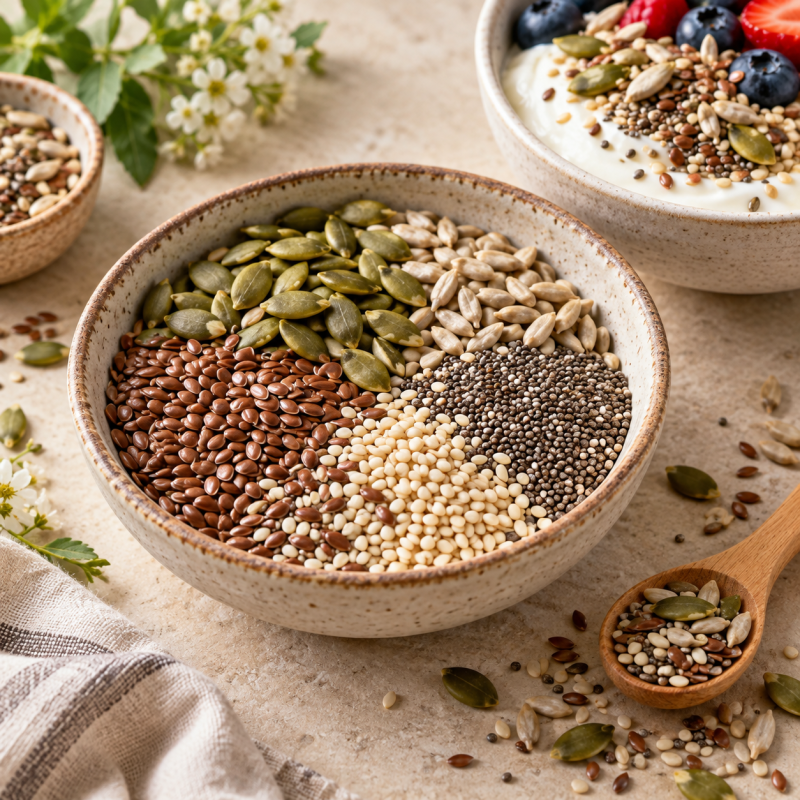
Choose Golden Herbs Mixed Seeds if its verified ingredients and directions fit your needs. For more control, consider an individual product such as Flax Seeds (Alsi) or Pumpkin Seeds (Kaddu ke Beej).
Do not assume a mixture contains the same proportions as another blend. Ask for current ingredient and allergen details where the online description is incomplete. Compare options in the Seeds & Superfoods category.
Other powders: check intended use first
Golden Herbs also lists Turmeric Golden Powder. Check the actual pack’s ingredients and food-use instructions before using it in cooking. The name alone does not establish a complete formulation or a recommended serving.
A product in an herbal category is not automatically an everyday culinary ingredient. Keep supplement products such as Ashwagandha Powder separate from shared kitchen seasonings. Do not stir unfamiliar herbal products into family food simply because they are sold as natural.
Four easy meals and snacks to build around
A breakfast bowl with a clear role for each ingredient
Combine plain dahi with chopped fruit. Add a small amount of a suitable prepared seed topping. If sweetness is still needed, use a little honey. The dahi, fruit and seeds each have a role; the honey is optional rather than the centre of the bowl.
Dalia with a change of texture
Cook dalia or oats as usual. Stir in a little ground flax, or add suitable pumpkin kernels just before serving. Prepare the base in a way your family already likes. There is no need to change every ingredient at once to try a new topping.
A quick chana lunch
Use cooked chickpeas, chopped vegetables and lemon juice. Add a measured portion of ready-to-eat seeds for crunch. Pack the topping separately if taking lunch to work, and keep the prepared salad properly chilled until mealtime.
A small afternoon snack
Serve fruit alongside plain yoghurt and a seed topping, or prepare a small portion of a suitable dry mix. Avoid grazing directly from a large pouch: portioning makes it easier to judge how much you enjoy and how quickly a pack is being used.
Read labels in a useful order
- Ingredients: establish what the product actually contains, including sweeteners, salt and added herbs.
- Allergens: check both ingredients and relevant cross-contact information.
- Intended use: distinguish ready-to-eat food, food requiring preparation, supplements and external-use products.
- Serving information: compare amounts realistically, using the same weight where nutrition panels allow.
- Storage and dates: check what changes after opening and keep identifying details with the product.
The FDA’s food-allergy guidance explains why ingredient declarations and cross-contact matter. Its regulatory details apply to the United States; shoppers in Pakistan should still ask suppliers for clear, product-specific allergen information.
Front-label terms such as “natural” do not answer these questions. Nor does a product name prove that a batch has been laboratory tested, certified organic or shown to treat illness. Ask for supporting information when a claim affects your decision.
Organise storage for freshness
Create a dry-food area away from steam, direct sunlight and stove heat. Keep honey closed and use a clean, dry spoon. Plain honey and honey blends are not necessarily stored in exactly the same way; follow each label.
Keep seed packs tightly sealed and follow any refrigeration advice, especially after grinding or opening. In hot weather, buy smaller quantities if storage conditions are difficult. A bargain bulk pack is not good value if part of it spoils.
Separate dry pantry foods from prepared dishes. Once seeds are soaked or combined with milk, yoghurt or cut fruit, the resulting food needs appropriate refrigeration. The FDA’s food-storage guidance recommends prompt chilling of foods that need refrigeration and extra care in hot conditions.
Use older suitable stock first, record the opening date and keep the original label. Check for insects, dampness, mould or rancid smells. Do not mix a questionable old batch into a fresh one or try to hide an off-flavour by roasting.
Make the pantry fit the people using it
A shared kitchen must work for allergies, medical diets and different ages. Mark restricted products clearly and use separate utensils when needed. If someone has a medically prescribed diet, build around that advice rather than a generic wellness shopping list.
Never give honey to a baby under 12 months, including in drinks or recipes, because of infant botulism risk. The CDC’s infant-feeding guidance explains this restriction. Whole hard seeds also require age-appropriate preparation for young children.
Frequently asked questions
What should I buy first on a limited budget?
Start with staples for complete meals, then choose one optional ingredient you will use often. A small pack of a familiar seed may be more practical than a large selection of supplements.
Does a wellness pantry need herbal supplements?
No. Ordinary food is enough to build a useful pantry. Supplements require a separate decision about need, suitability and professional advice.
Can every powder be added to milk?
No. Verify food suitability, ingredients and directions first. A familiar-looking pouch does not make all powders interchangeable.
How do I reduce waste?
Plan a use before purchasing, buy modest quantities, label opened packs and check your shelf before ordering again.
Build a pantry you will actually use
Choose a few ingredients with clear purposes and make storage part of the routine. Golden Herbs’ Our Story describes bringing useful products into everyday home rituals. That works best when simple meals, clear labels and realistic expectations come first.
Learn, Explore, Heal Naturally.